History is older, stranger, and more human than the simple version we remember.
Cradle of Chronos is a home for curious readers who want ancient history told with atmosphere, clarity, and a sense of discovery.
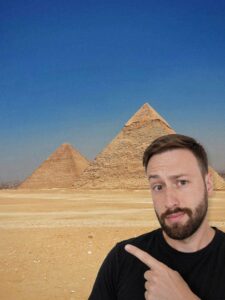
We explore the empires, ruins, rulers, myths, inventions, disasters, and everyday lives that shaped the ancient world not as dry timelines, but as stories full of ambition, fear, faith, power, beauty, and unanswered questions.
Ancient history can feel distant because it is often reduced to dates, dynasties, and museum labels. But behind every collapsed city, buried tomb, broken inscription, or legendary king were real people trying to survive their own age. They built temples, crossed deserts, fought wars, made offerings to gods, kept accounts, raised children, feared omens, chased glory, and left traces for us to argue over thousands of years later.
This site exists to make those traces feel alive again.
Why This Site Exists
At Cradle of Chronos, we focus on ancient history that invites deeper questions:
- Why did powerful empires collapse when they seemed unstoppable?
- What did ancient people believe about death, gods, kingship, fate, and the afterlife?
- How did ordinary people live beneath monuments built by rulers?
- Which famous stories are more complicated than the popular version?
- What do ruins, tablets, coins, bones, and lost cities still reveal?
Some articles are explanations. Some are mysteries. Some are dramatic retellings of forgotten moments. Others look at the tension between legend and evidence. The goal is not to flatten the past into one answer, but to make it easier and more exciting to keep asking better questions.
Empires & Power
Egypt, Rome, Greece, Mesopotamia, Persia, Carthage, China, and other ancient powers how they rose, ruled, fought, and fell.
Myths & Belief
Gods, rituals, omens, funerary beliefs, sacred kingship, creation stories, and the myths that helped ancient societies explain the world.
Ruins & Discoveries
Archaeological finds, lost cities, tombs, inscriptions, shipwrecks, buried libraries, and the evidence that changes what we thought we knew.
Daily Ancient Life
Food, family, medicine, money, work, clothing, crime, travel, entertainment, and the human details hidden beneath grand history.
What You’ll Find Here
You can expect:
- Readable ancient-history articles written for curious non-specialists
- Clear explanations of complex events, rulers, wars, and civilizations
- Atmospheric stories about lost places and forgotten people
- Myth-versus-history breakdowns that separate evidence from legend
- Archaeology and discovery pieces that show how the past is reconstructed
- Questions that make familiar ancient stories feel new again
Whether you are fascinated by Egyptian tombs, Roman politics, Greek myths, Mesopotamian tablets, Bronze Age collapse, ancient engineering, or the strange survival of stories across centuries, this site is built for the feeling of wanting to know what really happened and why it still matters.
A Note on Perspective
The content on this site is written for education, commentary, and curiosity. Ancient history is full of uncertainty: sources can be biased, archaeology can be incomplete, and the same evidence can support more than one interpretation.
When something is debated, we try to present it as debated. When something is legendary, we treat it as legend. When evidence is limited, we say so. The past deserves wonder, but it also deserves honesty.
Our Tone
Cradle of Chronos is not meant to feel like a textbook. It is meant to feel like opening a door into an older world: dust on stone, bronze in torchlight, names half-erased from monuments, and human choices echoing far longer than anyone expected.
Thank you for visiting and welcome to the long memory of the ancient world.
AI & Editorial Disclosure
Some images and portions of written content on this website may be created or assisted by artificial intelligence as part of the editorial and creative process. We use these tools to support storytelling, illustration, research organization, and presentation. We aim for accuracy and clarity, but mistakes can occur, especially in historical interpretation. Readers should treat the site as educational commentary and popular-history storytelling, not as a substitute for primary sources or academic scholarship.